How to Choose Snowboard Boots: Fit, Flex & Lacing Explained
2026-11-18
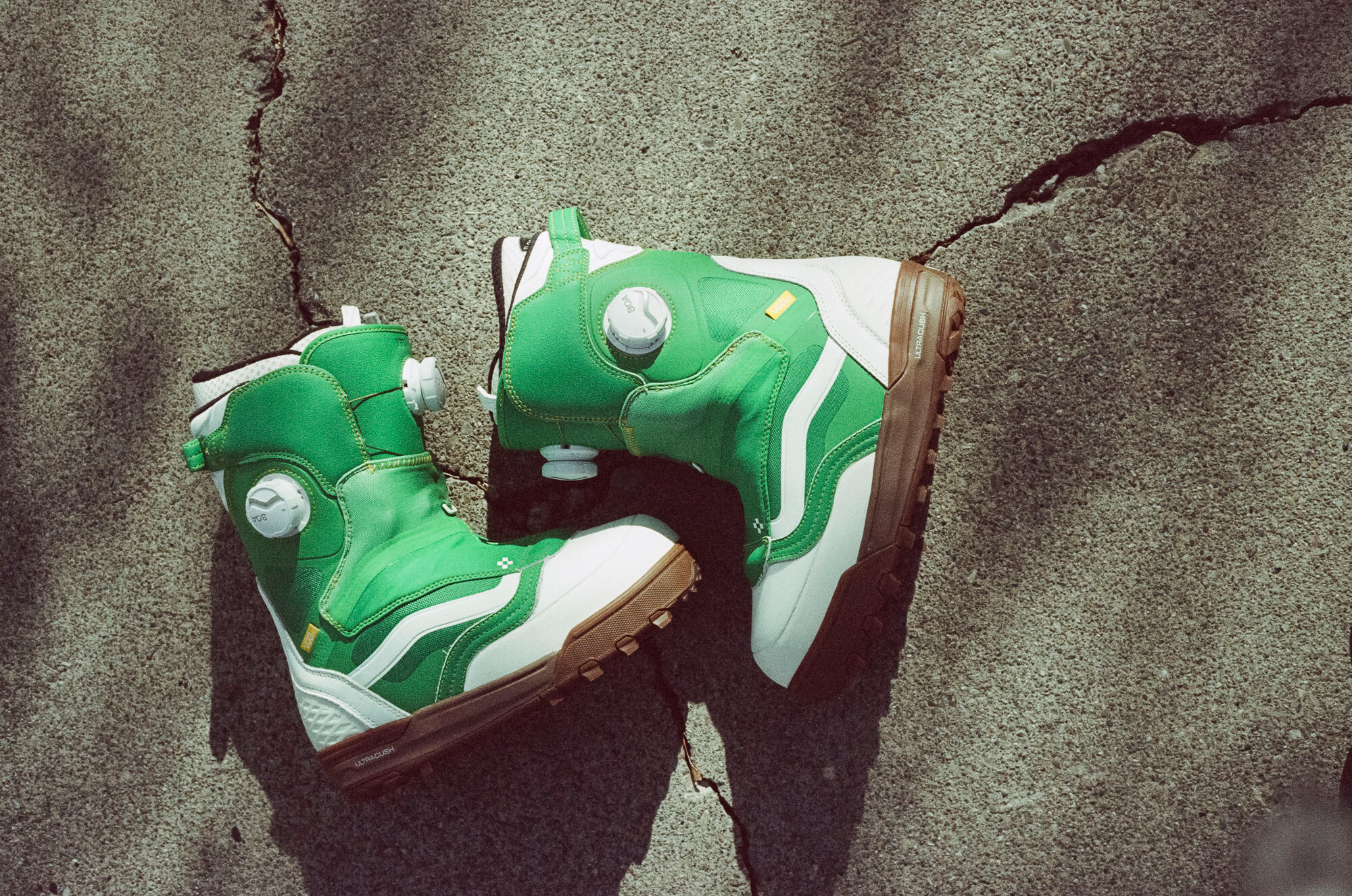
Your snowboard boots are the link between your feet, bindings, and board. But a great board and bindings don’t count for much if your feet are numb, your heels are lifting, or your boots are fighting you through every turn.
Knowing how to choose snowboard boots comes down to fit, flex, lacing, and how you ride. Here’s how to find a fit that feels right all day long.
How should snowboard boots fit?
“Snug but never painful”
According to pro rider Benny Urban in his beginner’s guide to snowboarding, “Snowboarding boots are your connection to the board. They should be snug but never painful. If your toes are crushed or your heel lifts a lot, you probably have the wrong size. Your heel should feel locked in while still allowing natural movement.”
So how should snowboard boots fit? Snugly, securely, and comfortably. When you first lace them up, your toes should lightly brush the end of the boot without feeling curled or crushed. When you bend your knees into a riding stance, they should pull back slightly.
Your heel should also stay firmly in place. A little movement is normal, but too much heel lift can reduce control and leave you working harder through every turn.
Keep in mind that liners pack out over time, so a boot that feels tight on day one will usually relax into a nicer fit as the liner shapes to your foot. Don’t size up just because it feels tight at the shop.
That said, many riders seem to find our boots have a roomier, boxier toe box, which is great news for wider feet, though narrow feet may want to pay extra attention to the heel.
To better your chances of finding the best snowboard boot fit, wear the same socks you plan to ride in and spend time walking, bending your knees, and shifting your weight. It might not look smooth, but it’s better to find pressure points in the shop than halfway down the mountain.

Understanding Boot Flex
Snowboard boot flex refers to how much a boot resists when you lean into it. The right flex depends on your experience, riding style, and the terrain you spend the most time on.
A softer boot is forgiving, which makes it a great choice for park laps, buttering, and relaxed cruising around the mountain. A stiffer boot gives you a quicker response time and more support at speed, on steeper terrain, and over bigger landings. A medium boot balances comfort, support, and response for all-mountain riding.
Some boots let you adjust the flex. For example, removable tongue stiffeners let you add support or soften the feel depending on the day. Whatever you choose, remember that snowboard boot flex softens a little as you ride, but you should still be able to flex them comfortably from the start. If you can barely bend your knees or push into the tongue, the boots may be too stiff for your riding style.
Flex Type & Rating | Benefits | Ideal Rider & Riding Style |
| Soft Flex (~1-4) | Forgiving and easy to turn, comfortable right out of the box, short break-in, lots of room to tweak and press | Beginners learning to link turns, park and street riders, jibbing, buttering and riding rails or boxes |
| Medium Flex (~4-7) | Balance of comfort and support, responsive without being punishing, handles a mix of terrain and conditions | Intermediate riders, all-mountain riders, anyone who rides park, groomers and some powder in one day |
| Stiff Flex (~7-10) | Fast edge-to-edge response, strong heel and ankle support, more stable at higher speeds and on landings | Advanced riders, freeriders, big-mountain and backcountry riders, carving and riding steep terrain |
BOA vs. traditional lacing
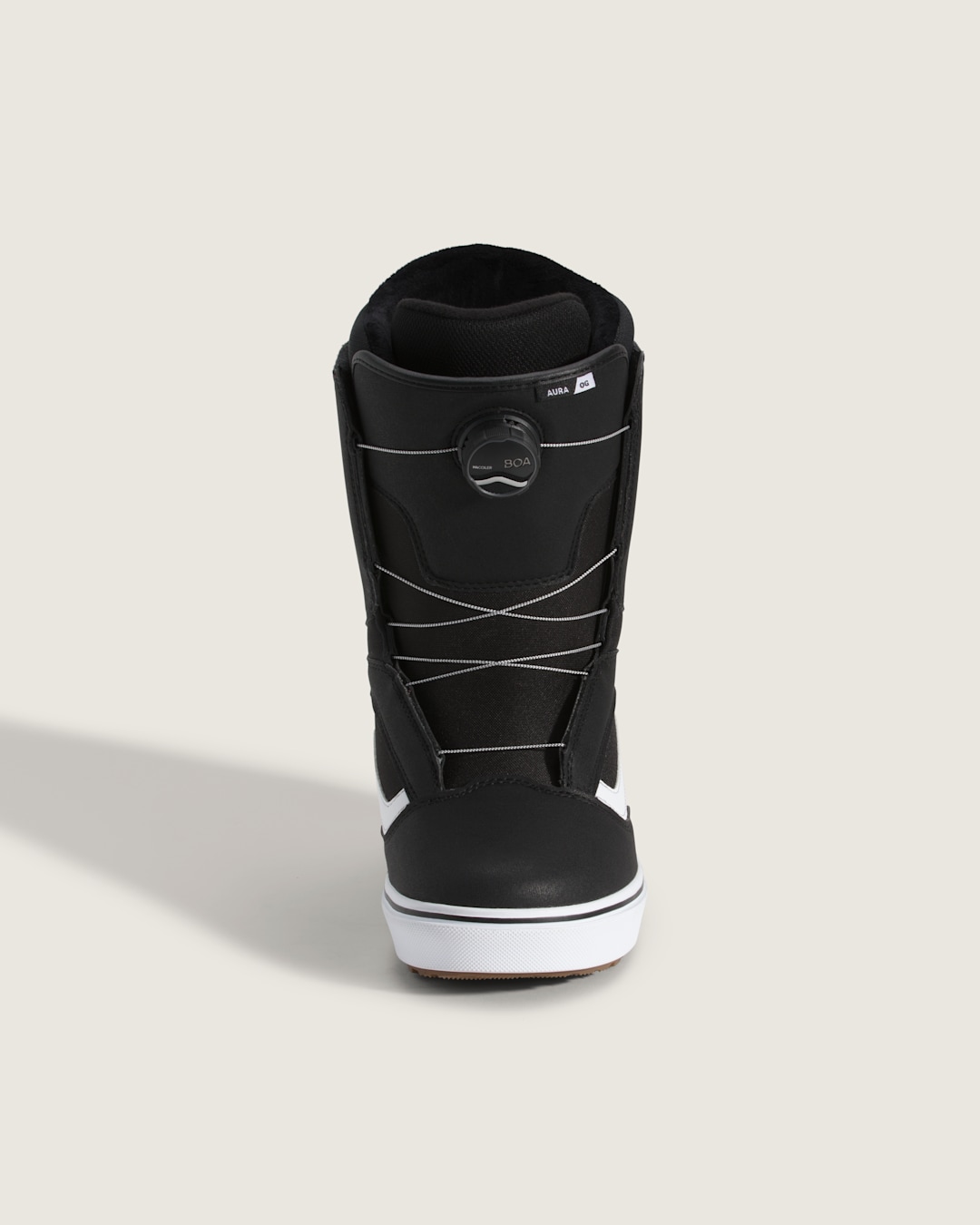
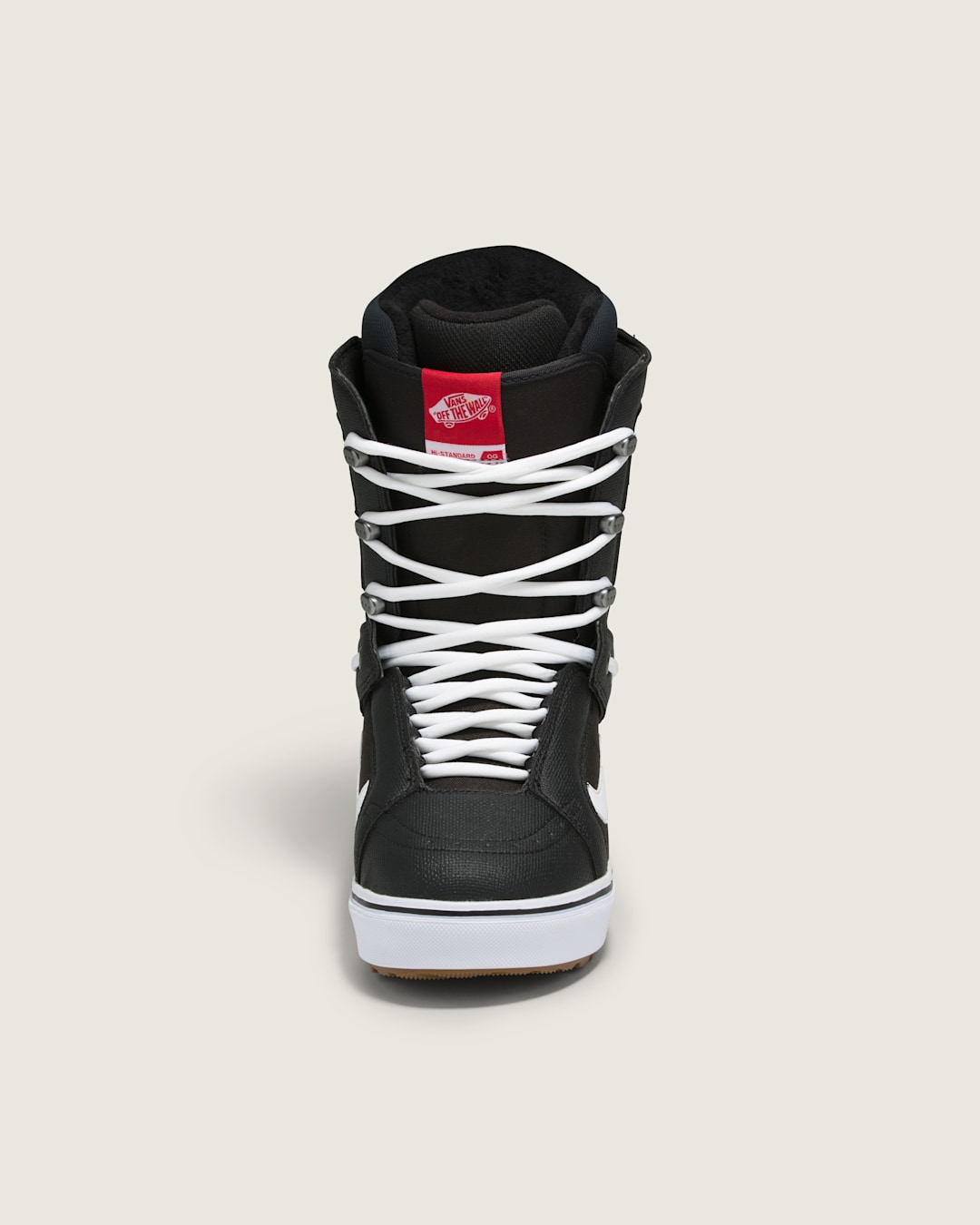
When comparing BOA vs. lace snowboard boots, there’s no single right answer. Both systems work, so the better choice is the one that suits you.
Traditional laces are simple, reliable, and easy to adjust. They also give you control over how tight different areas of the boot feel. If you like to fine-tune the fit or make quick repairs without replacing a specialized part, traditional laces are hard to beat.
A BOA system is all about speed and convenience. Turn the dial to tighten the boot, even with gloves on, and pull it out to release the tension. Dual-zone BOA systems let you adjust different parts of the boot independently.
Hybrid boots combine traditional laces with a BOA dial, often using the dial to lock in the heel and ankle while the laces control the upper cuff. This gives you the familiar feel of laces with added hold where you need it.
There’s no wrong answer here, so it comes down to your routine. If you want to hop off the lift and go, BOA is hard to beat. If you like fine-tuning, laces are the way to go.
Matching Boots to Your Riding Style
When deciding how to choose snowboard boots, think about how you ride most days.
Park riders and cruisers often prefer softer boots with more freedom of movement and board feel. All-mountain riders tend to prefer a medium boot with a secure hold for varied terrain. Aggressive riders chasing steeps and big lines want stiffer support with a locked-in feel.
Your experience matters, too. Softer boots are generally easier for beginners to flex, while experienced riders may want the added control that comes with a firmer setup.
The best boots are the ones that fit securely, match your riding style, and stay comfortable throughout the day. Take your time, try on more than one pair, and don’t settle for a fit that doesn’t feel right.
Once your boots are sorted, finish your setup with a warm beanie that will keep your head cozy. For when you’re off the board, check out our collection of men's jackets and women’s clothing that are perfect for walking around the lodge and exploring your snowy surroundings.
Related Content
Guides
Why Slip-On Shoes Are Trending Again
2026-11-03
Easy on. Easy off. Slip-On shoes are having another big moment. No laces to tie, no overthinking, no drama at the door. Just step in, head out, and go. It’s not just about convenience. Slip-Ons have
Read more
Guides
Vans Super Lowpro: Product Guide
2026-10-27
Explore the vintage-inspired Vans Super Low Pro. Discover sizing tips on how they fit, compare them to other classics, and find your style.
Read more
Guides
Halloween-Inspired Outfits for Everyday
2026-10-15
From color choices to integrating the new Vans Halloween collection, this article will help make every day feel like Halloween. We’re here to help you come up with some Halloween-inspired outfits that
Read more
Guides
Vans Era: Product Guide
2026-09-30
Era vs. Authentic Shoes: What’s the Difference? The Era and the Authentic are each iconic Vans models that bring a free-spirited, creative, and rebellious mood to any outfit. Both are low-top silhoue
Read more