The World is a Gallery: The Evolution of Street Art
2025-12-19
A journey from subway tags to global murals—discover how street art evolved and found its way into fashion, music, skate culture and beyond.
Origins of Street Art
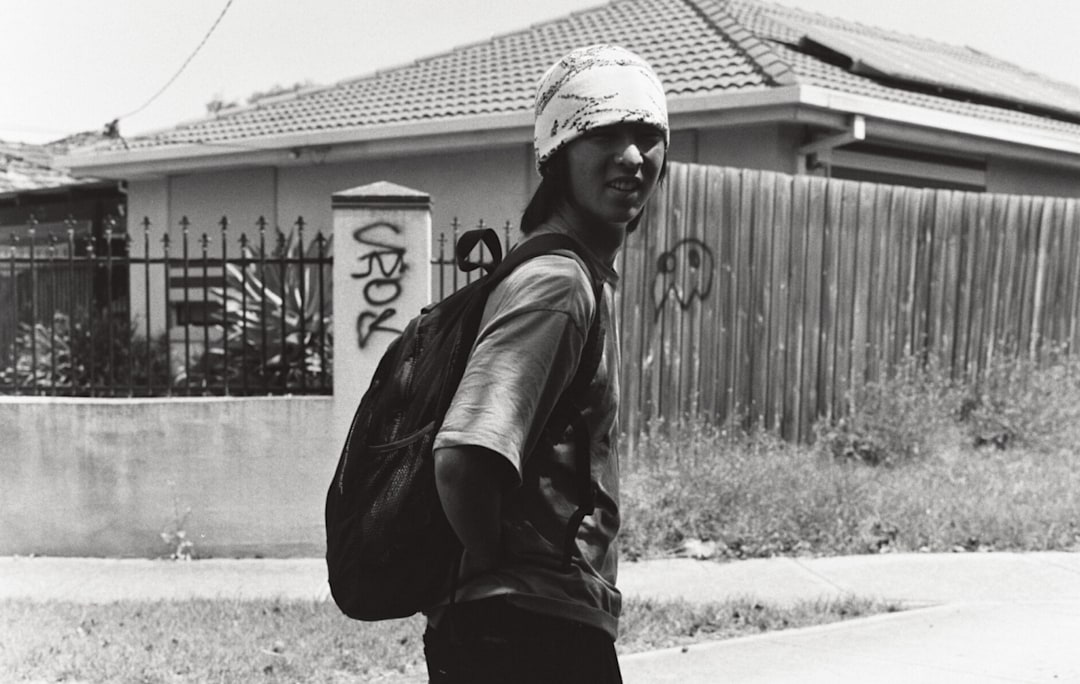
What is street art? It’s about rebellion and expression – taking walls, trains, alleys and sidewalks and transforming them into canvases.
New York City was one of the major cities where the movement got its start. In the 1960s and 1970s, the city was full of young people who had something to say. Young artists with spray cans started bombing subway cars and brick walls with their names, tags and messages. It was about being seen in the busy city–on the move, alive in the chaos.
Well-known graffiti writers like Taki 183 and Cornbread soon turned their names into legends. To the authorities, it was vandalism. To many kids in the neighbourhoods, graffiti meant a voice where there had been none before it. That tension—between what the authorities see as an outlaw act and what artists see as creative expression—still runs deep in the DNA of street art today.
Street art graffiti also spread fast because it was easy to do and hard to ignore. A spray can, a marker, or even a simple stencil could change a whole block overnight. The energy of the movement wasn’t just about being rebellious—it was also about connecting with others. People started recognising tags and styles the same way you might recognise a band’s logo.
Plus, the more cities tried to erase it, the more it came back. It was a tenacity that made street art grow from scattered local voices trying to be heard into a worldwide language.
Key Movements and Influential Artists
Since its start, street art has never stood still. Every decade has seen new styles and new voices that add, mix and redefine what is said on a city’s walls.
In the 1980s, artists like Keith Haring and Jean-Michel Basquiat helped graffiti make the move into the art world without losing the rawness of the streets. Haring’s bold, cartoon-like figures danced across subways, while Basquiat’s cryptic text and crown motifs gave a new kind of voice to politics and culture. Suddenly, famous street art wasn’t just seen by kids hanging out on a corner—it was in galleries and auction houses too.
In Europe, the stencil movement took off. Blek le Rat in Paris began the technique of cutting designs into cardboard and spraying through them for sharp images that were easy to repeat anywhere. That approach influenced a generation, including the UK’s Banksy. Banksy turned stencils into famous satire—rats, cops, and kids that ask us to look again at politics and ourselves.
The 2000s brought yet another wave. Shepard Fairey’s very well-known “Obey Giant” campaign created an icon from a simple Andre the Giant stencil. Later, his “Hope” poster for Barack Obama proved that street art could shape political history. Meanwhile, muralists like Os Gemeos in Brazil, JR in France, and Lady Pink in New York have looked at walls as massive canvases, turning neighbourhoods into open-air museums.
Street Art’s Impact on Urban Culture and Fashion
Street art’s impact on our culture can’t be denied. Cities now pay for murals instead of scrubbing them off or painting over them. Brands tap street artists for collabs. Tourists line up for selfies with famous street art walls across dozens of cities.
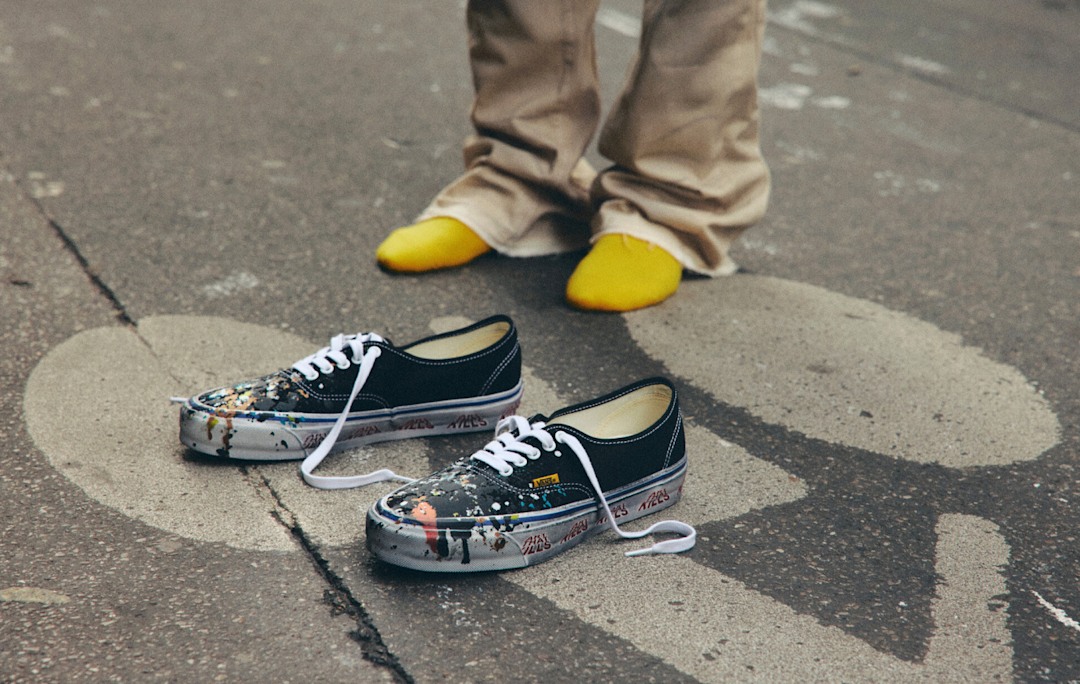
That contagious energy has spilled into fashion too. Sneaker culture, graphic tees and custom jackets today carry the DNA of the streets. It’s art you don’t just look at—you wear it, move in it and live in it.
Today, hoodies, sneakers and more for men and women can be canvases for street art-inspired design. The movement made it clear that style should come from the bottom up, from the real world where real people live their lives.
In later years, even high fashion caught the bug. Luxury fashion once snubbed graffiti, but now the biggest names regularly hire street artists for runway collabs and capsule collections.
Skate Culture: Rolling Canvases
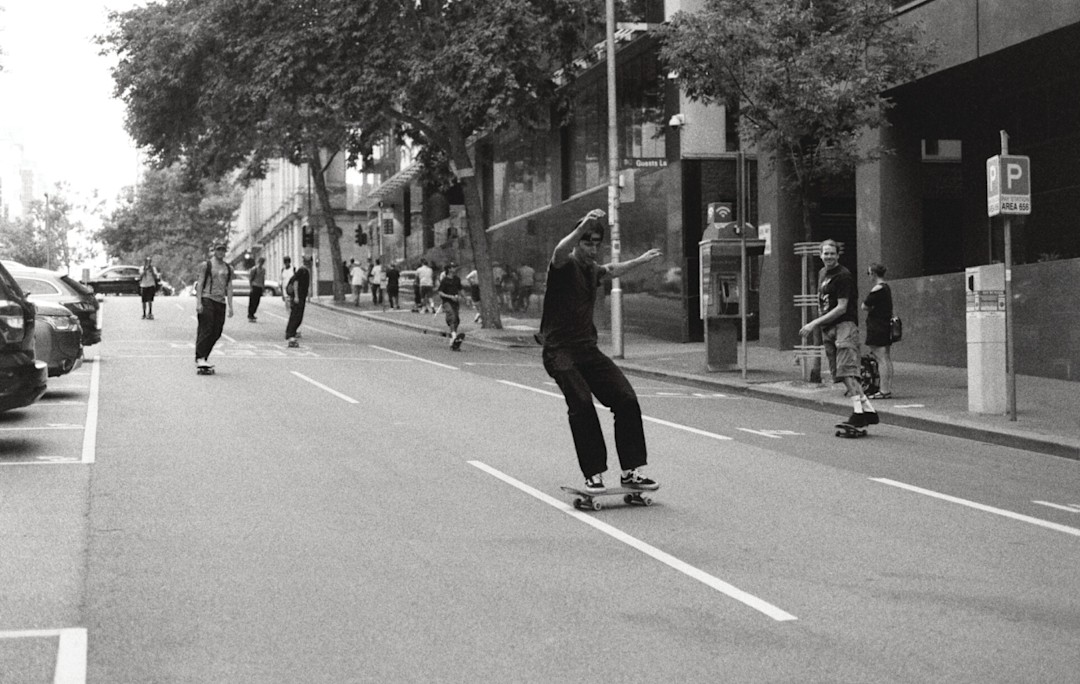
For Vans, this story isn’t just about walls. It’s about how art, rebellion and movement collide. Skaters were some of the first to embrace graffiti not just as background, but as identity. Skate spots (and soon, skateboards too) were covered in tags, boards got painted with markers, and soon just about every ollie was happening against a backdrop of colour and grit.
And just like street art, skateboarding turned cities into playgrounds. Handrails, benches, empty pools—they were never designed for tricks, but skaters made them their own. The same way graffiti writers turned subway cars into moving galleries, skaters turned sidewalks into stages. Both cultures said the same thing: this is our space, and we’ll make it ours.
And as long as there are kids with spray cans, skateboards, and the nerve to take over their world, that gallery will never close.
Vans OTW Collection
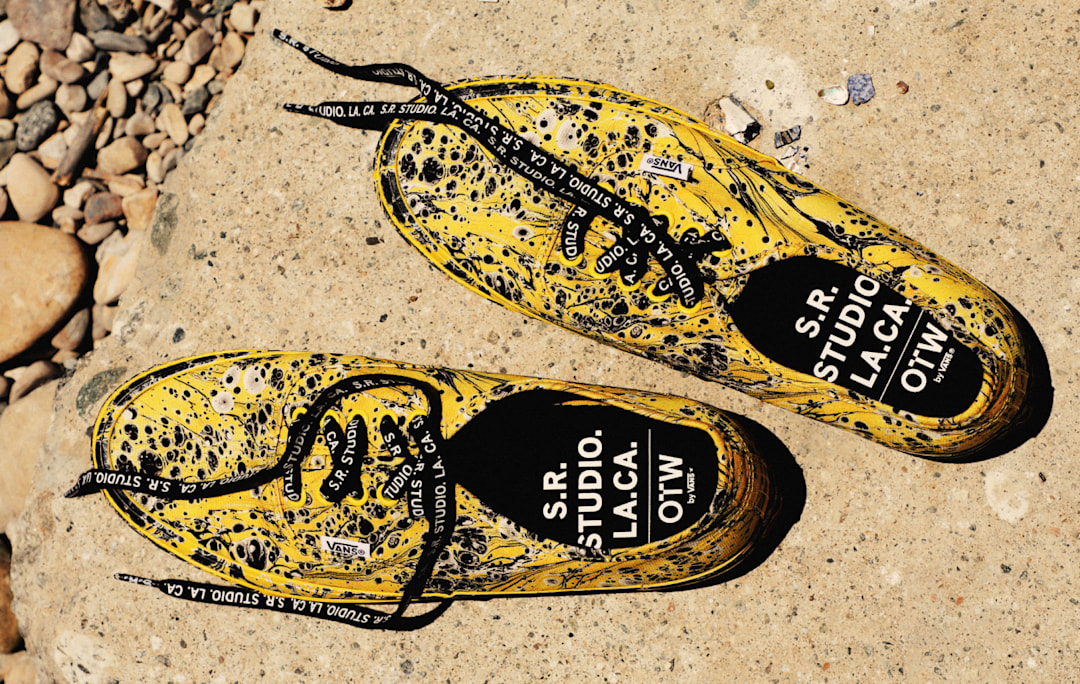
OTW is Vans ' most aspirational product line, a centre of excellence dedicated to pushing the boundaries of product and brand to provide culturally cutting-edge experiences. It’s a collaborative space where trailblazers and innovators shaping the cultures and subcultures of art, design, music, and skateboarding can team up with Vans and infuse the classic Vans style.
Vans has always lived at the crossroads of street art and skate culture. From custom graffiti-inspired sneaker designs to bold backpacks and accessories and collabs with legendary artists, Vans is all about big colours and raw lines — a living canvas for self-expression on the streets.