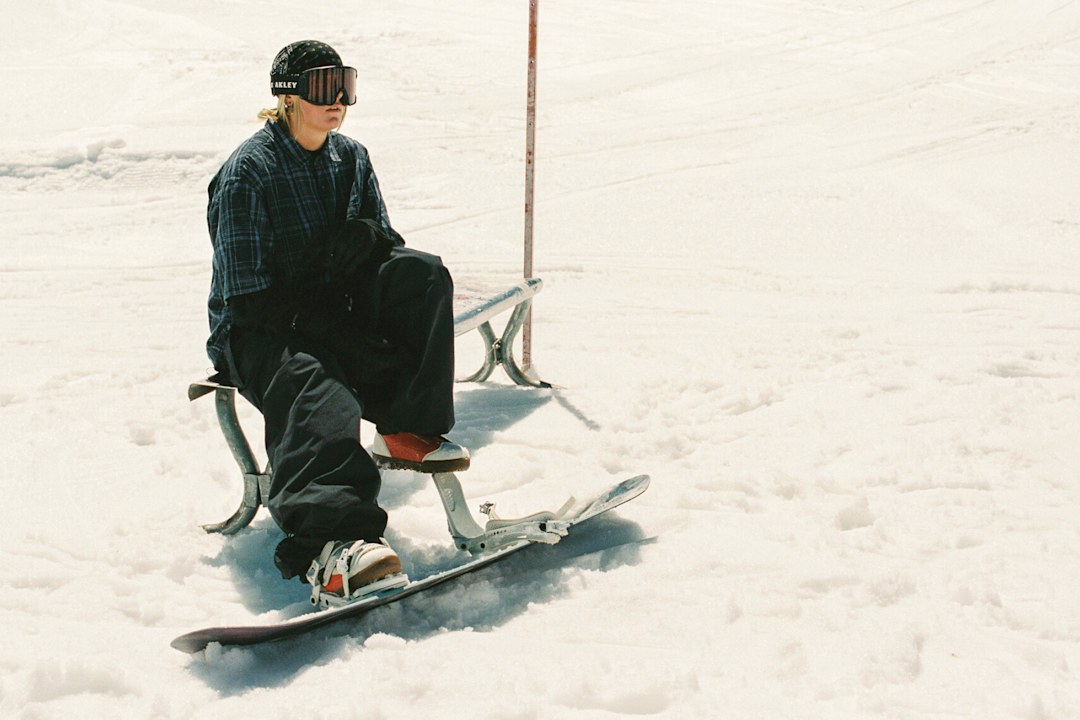
Carving: The Ultimate Beginner’s Guide to Snowboarding by Benny Urban
2025-12-22
Benny Urban has spent years on a snowboard. Riding, travelling, learning, one run at a time. Based in Europe, he’s a professional rider and the manager of the Vans European Snow Team.
For Benny, snowboarding has always been about more than technique. It’s movement, creativity, and the feeling of getting better every time you strap in. That mindset shapes how he rides and how he teaches.
“I was always drawn to the culture around snowboarding. The videos, the style, the community, all of it just felt exciting. Once I started riding myself, I realised how fun it is to actually move with the board and progress a bit each day. That mix of creativity and the feeling you get on snow is what kept me coming back.” – Benny Urban
This guide is a beginner-friendly roadmap to carving your intro to making those smooth, flowing turns that you carve into the slopes. Here, we’ll cover what carving actually is, the snowboarding gear you need to get it right, and simple tips to build confidence.

What is Snowboarding?
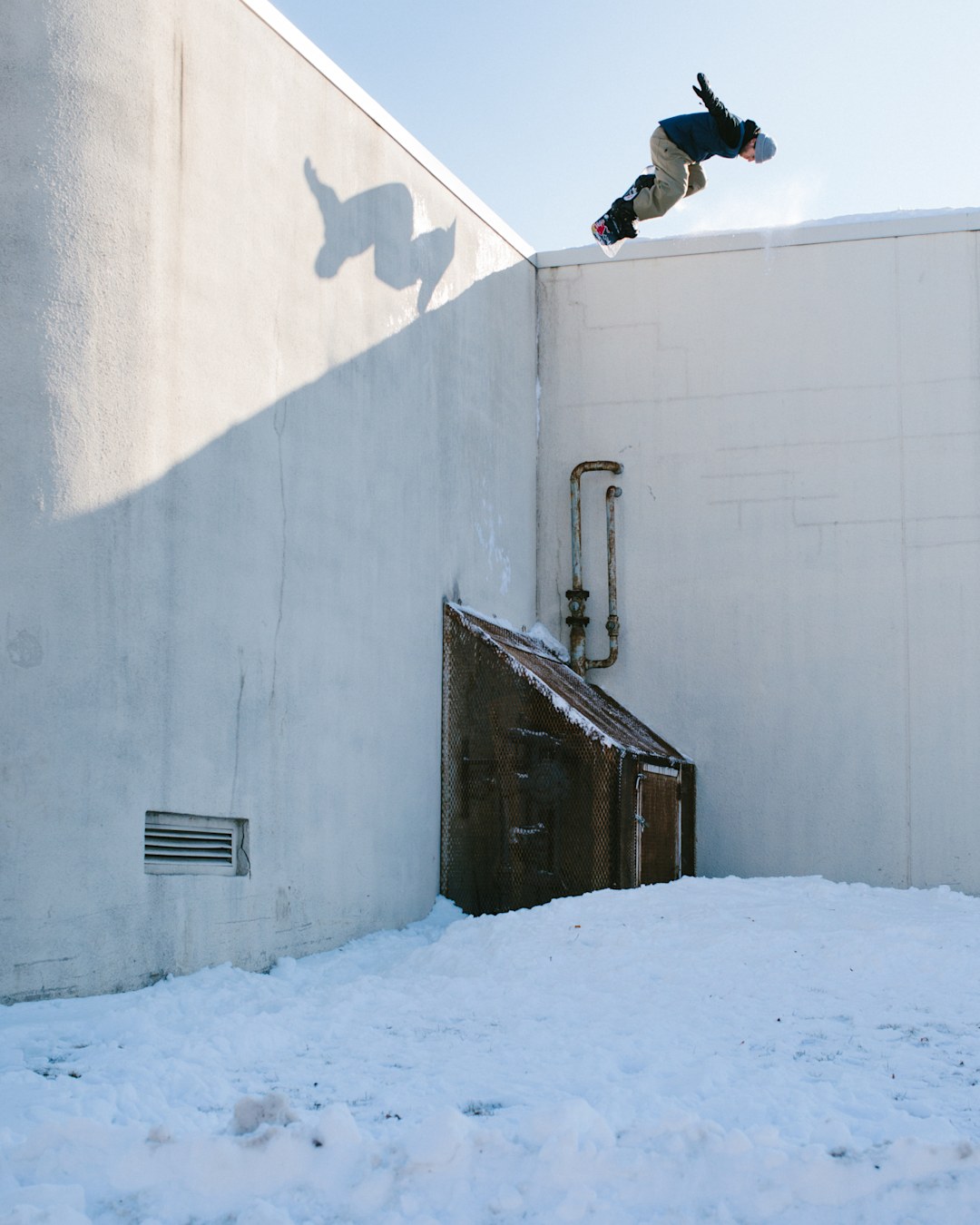
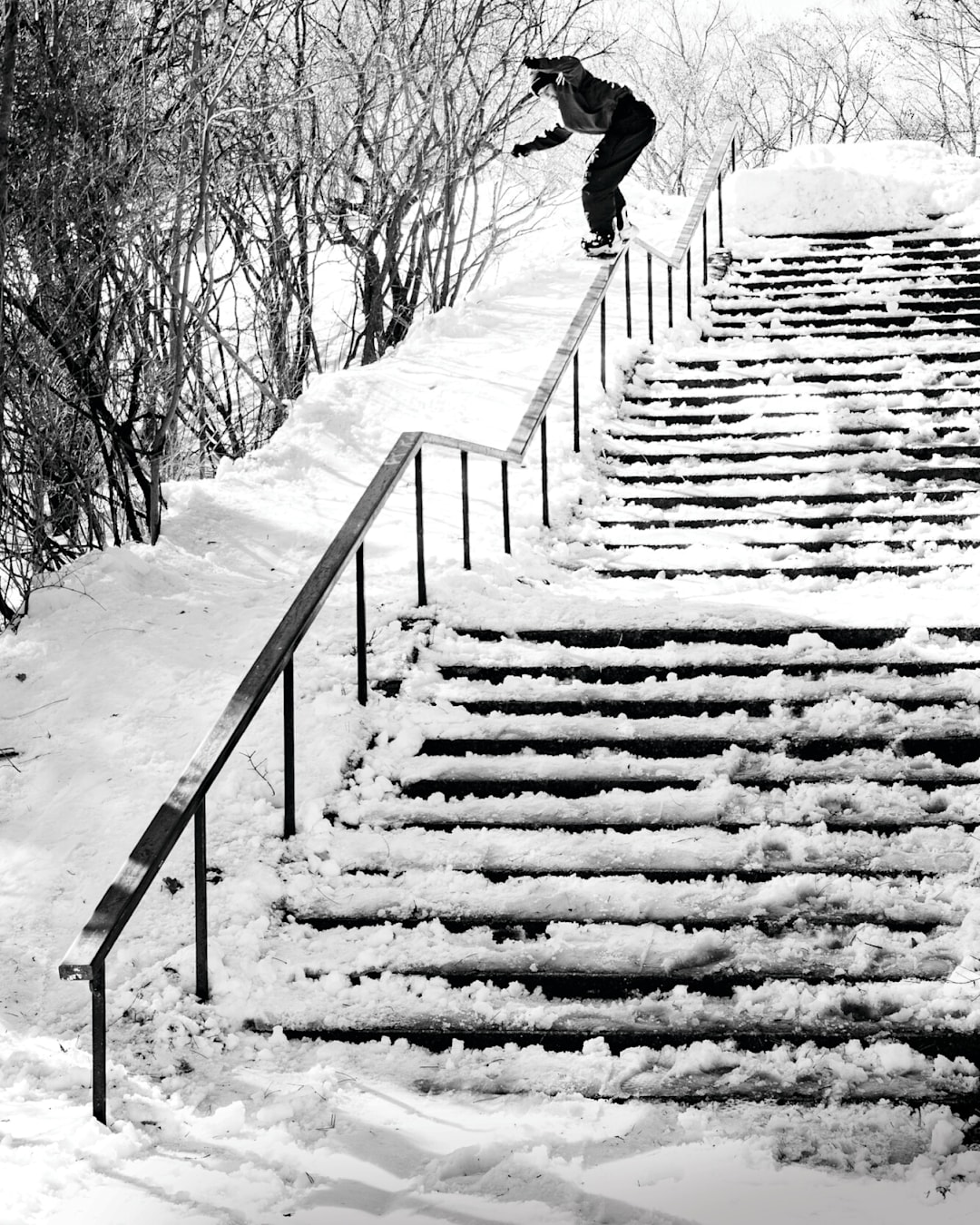
First things first: what is snowboarding? At the simplest level, it’s riding a board down a snowy slope with your feet strapped in, facing sideways.
But once you start learning to carve, snowboarding is way more than just sliding downhill. When you carve properly:
- Your board cuts cleanly into the snow like a knife
- Your turns leave sharp, curved lines behind you
- You feel locked in and stable, even when you start to pick up speed
- You get the key to control. Carving not only looks cool, but it’s how you slow down, how you steer, and how you start really enjoying time on the board.
Benny’s biggest tip for new riders learning to carve is simple:
“Have fun and trust the process. Carving becomes easier when you stop trying to force it. If you stay relaxed and let your body figure out the movement, it all clicks much faster.” – Benny Urban
Meaning, carving won’t feel perfect on day one, but with a little patience and perseverance, you will get there.
Snowboarding vs skiing: which is easier?
You might be wondering, what is the difference between skiing and snowboarding? The short version:
- Skiing: two separate skis, facing forward, poles in your hands
Snowboarding: one board, sideways stance, no poles, more surf/skate vibe
When it comes to snow sports, many beginners ask whether skiing or snowboarding is easier. It’s hard to say overall, as the learning curve is different:- Snowboarding is usually harder than skiing for the first few days
- Once you can link your turns, your progression often feels faster than skiing
Skiing can feel more natural at low levels of difficulty, but gets more technical later
If you already skate or surf, snowboarding will probably click for you a lot faster.
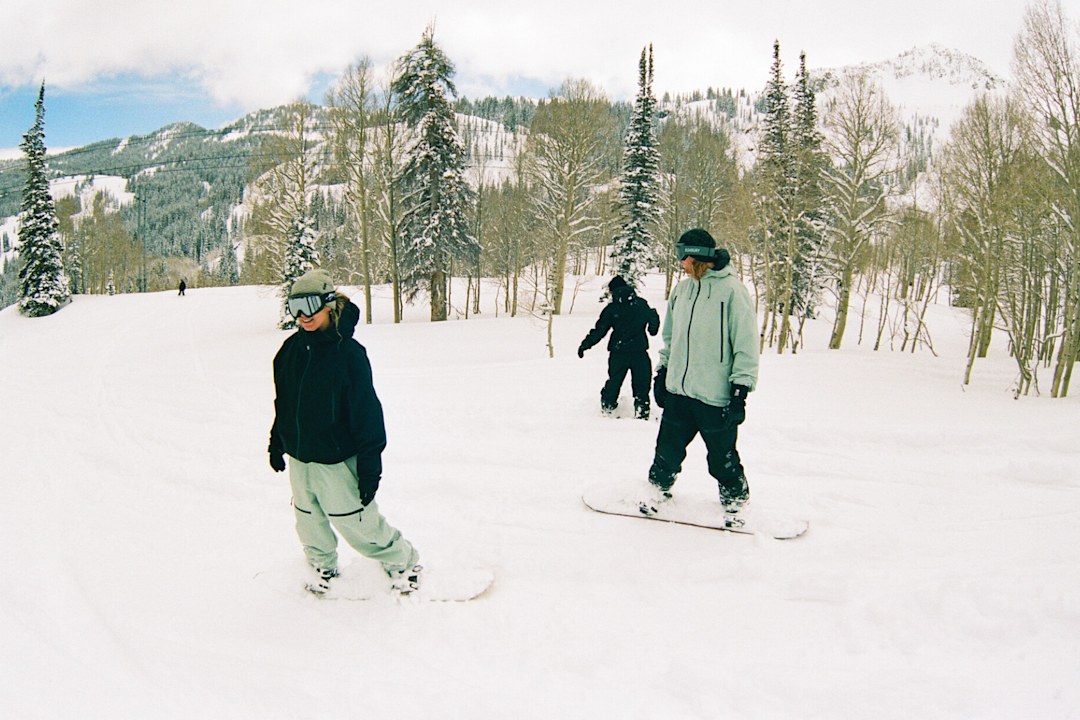
Essential Snowboarding Equipment
Before you worry about snowboarding and how to carve, get the right setup in terms of gear.
“Having the right sizing for my board, boots and bindings changed everything. When your setup actually fits you and feels balanced, riding becomes much more comfortable. Even small stance adjustments make a big difference.” – Benny Urban
Board, Bindings & Snowboarding Boots
Here’s a quick beginner’s setup that will get you on the slopes and ready to learn:
- Board: For beginners, go for an all-mountain board with a softer flex. Also, make sure to get the right length for your size.
- Bindings: Go for a stance that feels natural, usually slightly wider than shoulder-width. A duck stance (with your toes pointing slightly outward) is common for beginners.
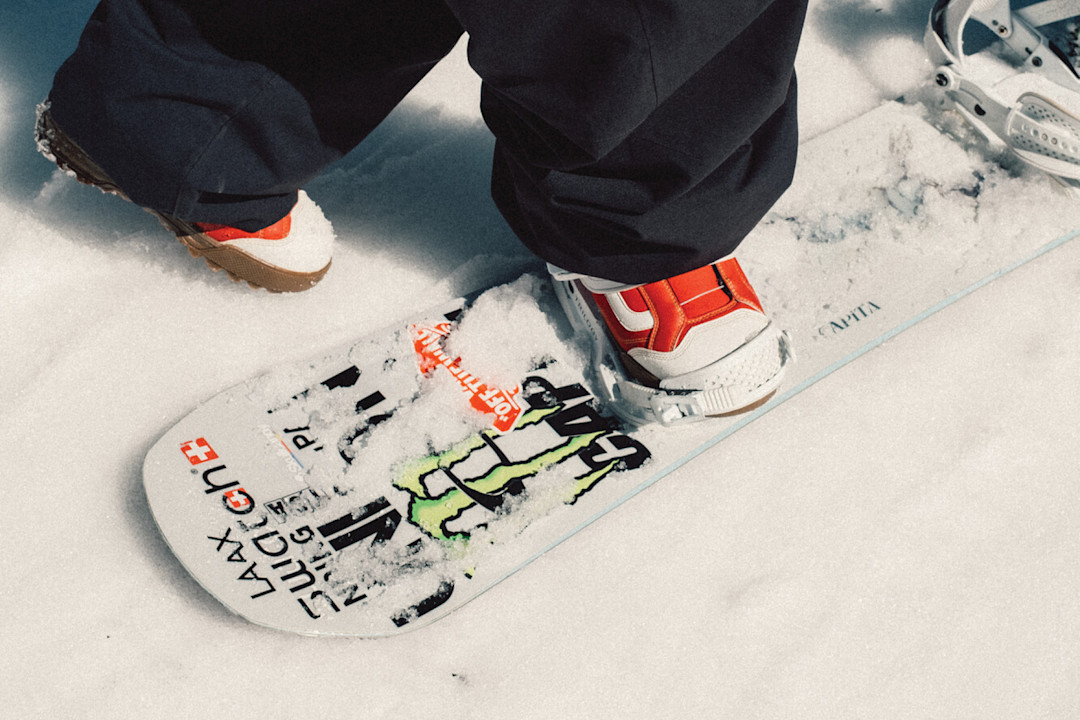
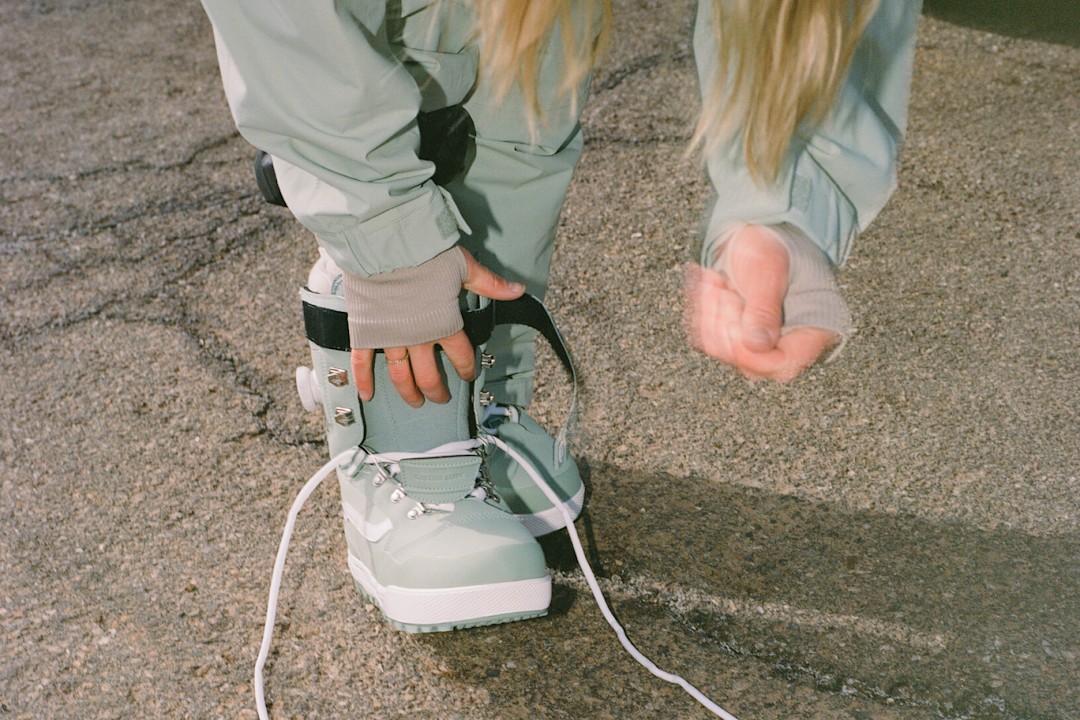
Snowboarding boots: These are your connection to the board. They should be snug but never painful. If your toes are crushed or your heel lifts a lot, you probably have the wrong size.
Snowboarding boots are your connection to the board, so fit and feel matter. A good pair should feel secure without pressure points, keeping your heel locked in while still allowing natural movement.
Vans boots like the Women’s Encore Pro Snowboard Boot, endorsed by Olympic rider Mia Brookes, and the Invado Pro Snowboard Boot, ridden by Rene Rinnekangas, are built for control, comfort, and progression. Designed with rider feedback at their core, they offer the support beginners need without sacrificing board feel as skills develop.
Protective & Comfort Essentials
- Helmet: Non-negotiable. Just wear it.
- Wrist guards/impact shorts (optional but smart): Beginners fall a lot, often on hands and tailbone. A little protection can keep you going longer before you call it quits for the day.
- Goggles: So you can actually see in snow, wind and bright light.
- Jacket, pants, gloves, base layers: It’s hard to learn if you’re freezing or soaked. At Vans, we have the right clothing to keep you warm and toasty while you practice your snowboard skills.
Getting Ready: Body & Mind
Conditions change from day to day-ice, slush, powder.
“I try to adapt to the day. I look at the weather, the snow and the terrain, then decide how I want to approach it. Staying flexible mentally helps me ride better, because I’m reacting to what’s in front of me instead of sticking to one plan.” – Benny Urban
Want an off-slope hack? Benny suggests cross-training:
“Skateboarding helps a lot. It keeps your board feeling sharp and your balance engaged. Even just cruising around on a skate translates really well to snowboarding.” – Benny Urban
If you already skate, that balance and board feel will help a lot when you step onto snow.
Beginner Techniques and Tips
If you’re wondering how to learn snowboarding without feeling overwhelmed, think of it as a series of small unlocks. That’s less daunting than mastering one giant “I can ride now” moment.
“Most people rush. They want to go fast or try something difficult before they’re ready. If you stay patient and take small steps, the progression feels natural and you avoid scaring yourself early on.” – Benny Urban
Step 1: Get Comfortable Sliding & Stopping
Before carving, you need to get some basic control:
- One-foot skills: Practice skating around the flat area. Do this with your front foot strapped in and push with your back foot.
- Heel-side slide: With both feet strapped in, face downhill with your board across the slope, sit into your heels, and slide gently. Keep your speed under control.
Toe-side slide: Turn to face the hill, balance on your toes, and do the same
Step 2: Turning into Your First Carves
Once you can slide and stop, it’s time to start linking turns and this is where learning how to carve in snowboarding gets real.
On a gentle green slope:
- Start on your heel edge, with the board oriented across the hill
- Look where you want to go (not at your feet)
- Gently shift your weight toward your toes
- Let the board point downhill briefly (this is the scary moment—commit!)
- Continue rolling onto your toe edge and finish the turn across the slope
Then repeat in the other direction, rolling from toe edge to heel edge. Think of drawing big, round S-shapes down the hill.
A simple carving checklist:
- Your knees should be slightly bent and relaxed, not stiff
- Keep your shoulders aligned with the board
- Your weight stays centred over your board, don’t lean back
- Look ahead through the whole turn, not down
“Take it step by step. Build confidence on smaller terrain first and only move on when you really feel ready. Trusting yourself is the biggest part of it. It’s less about the mountain and more about new features or obstacles. Any time something is bigger or more technical, I ease into it. Testing it slowly helps me understand how to move through it safely.” – Benny Urban
So if you’re looking to go from a beginner to a pro on the slopes, the best way to is to strap in, gear up, and give it a proper shot. With the right snowboarding gear, a solid pair of snowboarding boots, patience, and Benny’s mindset of trusting the process, you’ll be a pro at carving sooner than you think.
“The more often you do something, the more natural it becomes. Regular riding, even on simple terrain, keeps everything sharp. … You can move past fear with the right mindset. When you break things down and trust yourself, most challenges feel a lot more manageable” – Benny Urban